eCommerce

How Furniture Retailers Can Thrive in the Agentic Era The digital landscape for home furnishings is shifting beneath our feet, moving from static websites to dynamic, AI-driven ecosystems. To help our members navigate this transition, we recently sat down with three industry experts to discuss the practical application of “Agentic

Connecting POS, inventory, and ecommerce has become essential for furniture retailers. It directly impacts how a business runs day to day and how customers experience the brand. Many retailers still rely on systems that were set up at different times and do not fully work together. This creates gaps in

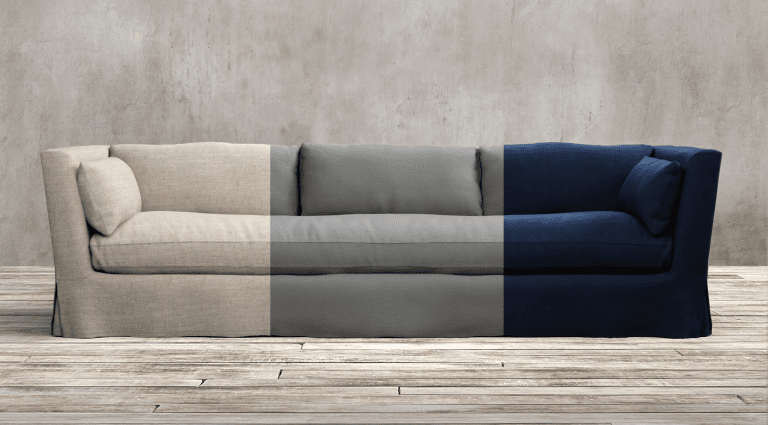
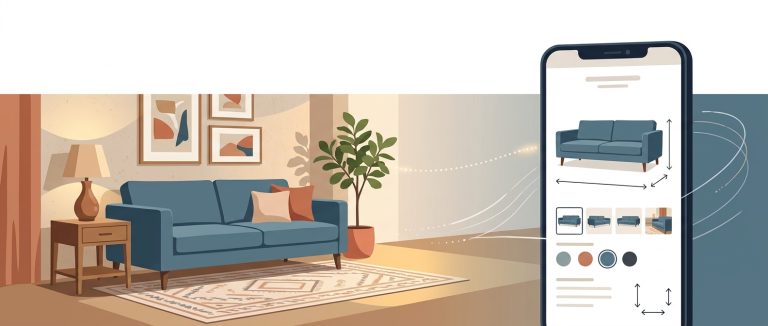
A furniture eCommerce website needs to do more than display products. It should communicate scale, material, and quality without the need for an in-person follow-up interaction. Customers can’t sit on a sofa or feel a fabric, so the website carries the burden of clarity and trust. Furniture purchases involve longer

In today’s digital-first shopping environment, your product images are doing far more than just “showing” a sofa or dining table; they’re selling it. For furniture retailers, where customers can’t physically sit, touch, or experience scale online, imagery becomes the single most powerful driver of engagement, trust, and conversion. Yet many

I want to tell you about something that’s already happening on your website, right now, that you’re probably not aware of. AI agents are browsing furniture retail websites every day. Not humans. Software. Acting on behalf of real shoppers who typed a question into ChatGPT or Google’s AI Overview and

Most conversations about the future of eCommerce focus on the surface—better website design, faster checkout, and smoother user experiences. While these improvements matter, they are no longer the primary constraint. Today’s customers expect more than just a clean interface. They expect accurate delivery timelines, real product availability, and fast fulfillment.

Furniture shopping has evolved into a fluid, hybrid experience. Today’s consumers move seamlessly between online browsing and in-store visits, gathering inspiration, comparing options, and seeking confidence before making a purchase. But according to new research from 3D Cloud, the real driver of buying behavior isn’t where customers shop, it’s how
You might also like

When Furniture Stops Moving, It’s Time to Rethink Your Floor Tariffs are driving costs up. The pandemic redecorating rush is

A sweeping Russia sanctions law signed just last month (The Graham Act) is now largely on hold, and the details

What if the biggest threat to revenue isn’t the customer who walks away? What if it’s the customer who stays?

Digital marketing gets most of the attention in traffic conversations, but furniture remains a category where physical experience matters. Customers

Opening a second, third, or tenth location is a milestone worth celebrating, and also a marketing challenge that catches many
More From The HFA

A beautifully merchandised room turns heads — but an intentionally merchandised showroom sparks inspiration and communicates your brand identity in ways a logo never could.

New research from Elevate puts the Gen X woman at the center of the furniture story. Surveying 1,210 Gen X shoppers at every stage of


MEMBER-ONLY DISCUSSION: Merchandising Connect with fellow HFA member retailers to exchange insights, challenges, and successes in merchandising. Share ideas for