eCommerce

As consumers become more tech-savvy, they are opting to shop for furniture online. Sometimes, this is done to decide if they want to visit the physical store. However, selling furniture online comes with unique challenges. To succeed in this competitive market, furniture retailers must leverage best practices that enhance customer

Let’s assume that you took some steps to get the right traffic to your website. You focused on SEO, served great ads, and targeted the right people – now what? The real challenge—and opportunity—lies in engaging visitors and purchase conversion into customers. Having an “okay” website isn’t good enough for

Online shopping is far from perfect. Customers frequently encounter frustrations that can lead to abandoned carts, negative experiences, and lost business for retailers. Understanding and addressing these pain points effectively is crucial for businesses aiming to stay competitive. Here, we explore consumers’ three key eCommerce frustrations when shopping online and

In the retail furniture industry, providing accurate and real-time information to customers is essential for standing out. One of the most impactful advancements in eCommerce is live inventory integration. This capability ensures that customers have access to up-to-date information on product availability, creating a better shopping experience and increasing overall

As industries continue to adapt to digital transformations, the furniture sector has witnessed a significant shift from traditional brick-and-mortar stores to dynamic online platforms. In 2024, online furniture sales in the U.S. alone soared to approximately $96.5 billion, demonstrating a clear consumer preference for digital furniture shopping experience solutions and

eCommerce success hinges on more than just having an online storefront—it requires a seamless, scalable, and customer-centric platform. The shift to advanced eCommerce platforms is not just a trend; it’s a necessity for businesses aiming to meet evolving consumer expectations. We will explore how platform optimization transforms the customer experience,
Today, customer expectations are higher than ever in eCommerce shopping. While online shoppers appreciate seamless website navigation, competitive pricing, and diverse product selections, their ultimate satisfaction often hinges on a less visible but critical aspect: final mile delivery. This last leg of the delivery process, where products journey from a

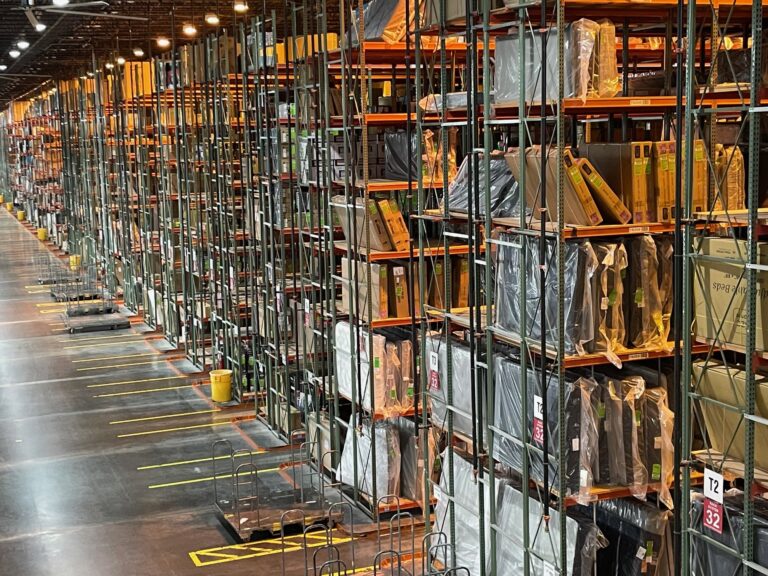
The home furnishings industry is experiencing a digital revolution, and operations optimization is leading the way. Advanced technologies are pivotal in tackling challenges like supply chain disruptions, order backlogs, and other operational hurdles facing manufacturing, distribution, and retail operations. These cutting-edge solutions enhance visibility and detailed reporting for home furnishings

During the pandemic, the shift to digital shopping became a lifeline for consumers, marking a significant turning point in the way home furnishings are discovered and bought. While today furniture shoppers once again prefer to shop in stores, they’ve integrated digital aspects into their shopping journey. As furniture retailers invest
You might also like

When Furniture Stops Moving, It’s Time to Rethink Your Floor Tariffs are driving costs up. The pandemic redecorating rush is

What if the biggest threat to revenue isn’t the customer who walks away? What if it’s the customer who stays?

Furniture retailers do not need more random posting. They need content that earns attention, creates intent, and gives shoppers a

Elevate customer experience and boost sales with strategic remerchandising techniques Remerchandising your sales floor after market isn’t just about rearranging

Walk into any home furnishings showroom, and you can sense how radically the customer journey has shifted. Today’s shoppers no
More From The HFA

New research from Elevate puts the Gen X woman at the center of the furniture story. Surveying 1,210 Gen X shoppers at every stage of

Men and women often bring different priorities to their jobs, and the companies that understand those differences build stronger teams, deeper loyalty, and better business