
An important policy announcement that could directly impact your business. On September 25, President Trump announced on Truth Social that, beginning October 1, the U.S. will impose: A 50% tariff on kitchen cabinets, bathroom vanities, and associated products A 30% tariff on upholstered furniture At this time, it remains unclear


A 50-day study on furniture imports that could reshape the competitive landscape for U.S. retailers. While details remain limited, the probe is widely viewed as part of an ongoing Section 232 national security investigation at the Commerce Department, originally launched in March 2025 to cover timber, lumber, and derivative products

“The 90-day tariff extension isn’t a finish line—it’s the starting block for your next profit strategy.” The trade landscape just gave the home furnishings industry a brief reprieve. President Trump has signed an order extending the current China tariff pause for another 90 days, pushing the timeline into the fall.

US Tariff Policy Update In the four months since President Trump proclaimed April 2, 2025, ‘Liberation Day,’ there have been various developments in the US trade and tariff policy. Shortly after Liberation Day, President Trump set reciprocal tariff rates for imports from every country into the US. Those rates varied

As the political and economic landscape shifts in 2025, the newly enacted One Big Beautiful Bill Act (OBBBA) draws close attention from home furnishings retailers nationwide. President Trump signed into law on July 4, sweeping legislation bundling tax reforms, trade adjustments, and regulatory changes that will directly and indirectly impact

Critical Deadlines Looming: What Retailers Need To Know Right Now A lot is happening on the trade front right now—and if you’re in the home furnishings business, it’s more than background noise. From new Section 232 tariffs on copper, lumber, and steel products to an approaching July 9 deadline that could

The trade landscape continues to bring relief and uncertainty to the home furnishings industry. From temporary tariff extensions to landmark court rulings and newly announced increases in steel and aluminum tariffs, here’s what HFA members need to know right now: 🚢 Tariff Relief Extended — But for How Long? In
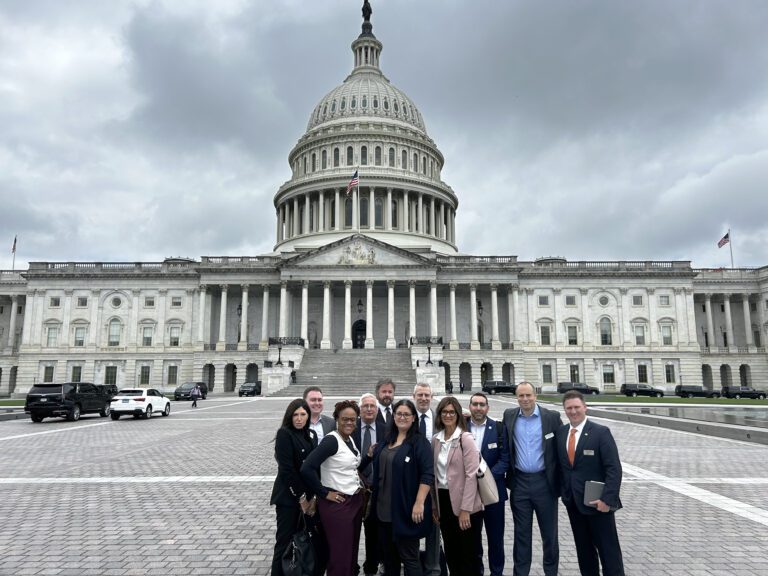
Key Takeaways from HFA’s Washington, D.C. Fly-In Last week, leaders from the Home Furnishings Association (HFA) met in Washington, D.C., for a strategic fly-in event designed to elevate the voice of furniture retailers on Capitol Hill. In a series of high-impact meetings with lawmakers, policymakers, and trade officials, HFA members

In a compelling op-ed for InsideSources, former U.S. Representative Drew Ferguson (R-GA) emphasizes that President Trump’s renewed tax reform agenda isn’t just about cutting taxes but about unleashing American enterprise’s full potential. Drawing from his experience on the House Committee on Ways and Means, Ferguson underscores how lowering the corporate

On Monday, the White House announced a significant development in tariffs: the United States and China have agreed to a 90-day tariff cease-fire, reducing import levies and providing temporary relief for supply chains ahead of the back-to-school and holiday shopping seasons. The U.S. will cut its tariff on Chinese goods

National Furniture Safety Week is coming up October 5–10, 2026, and HFA members are invited to participate. HFA has joined

If you’ve ever watched a great candidate slow down at the finish line, or walk away from what felt like

On September 1, 2026, U.S. Customs and Border Protection (CBP) issued an advance notice of proposed rulemaking (ANPRM), requesting input

HFA proudly congratulates its CEO, Peter Theran, on being named one of The Home Furnishings 500 most influential people in

Walk into any home furnishings showroom, and you can sense how radically the customer journey has shifted. Today’s shoppers no

New research from Elevate puts the Gen X woman at the center of the furniture story. Surveying 1,210 Gen X shoppers at every stage of

Men and women often bring different priorities to their jobs, and the companies that understand those differences build stronger teams, deeper loyalty, and better business

