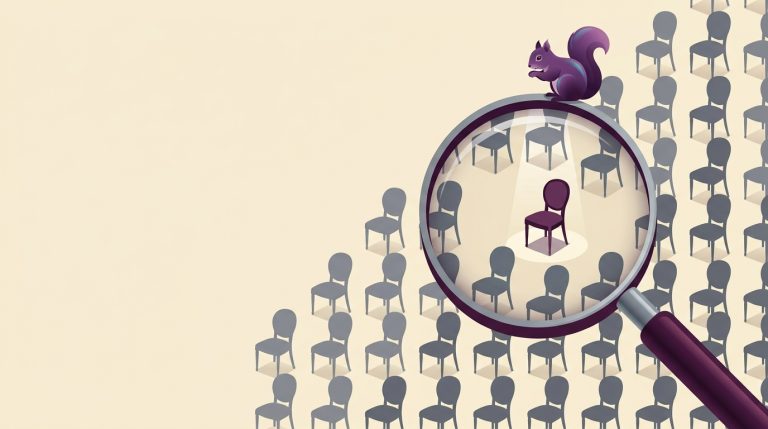

“Every business owner has an exit strategy—even if they haven’t planned one.”
For many private and family-owned businesses, daily operations consume nearly all available time. Sales, employees, customers, supply chain issues, and cash flow naturally take priority over long-term planning. Yet one question eventually confronts every business owner:
What happens to your business when you are no longer leading it?
As I read our industry’s trade publications, I continue to see another familiar headline: another respected multi-generational furniture retailer closing its doors because there was no clear successor prepared to carry the business forward. It’s a story that has become far too common.
Today, succession planning is no longer simply a best practice—it’s a business imperative.
We’re entering one of the largest ownership transitions in U.S. history. Millions of Baby Boomer business owners are expected to retire over the next decade, creating an unprecedented transfer of privately held businesses. Yet despite recognizing its importance, many companies still lack a formal succession strategy.
Without a well-defined succession plan, even profitable, well-managed businesses can experience leadership instability, declining employee confidence, family conflict, and significant loss of business value.
The Numbers Tell the Story
Data on succession planning should concern every privately held business owner.
- Nearly 78% of family business leaders expect a CEO transition within the next decade, and 42% anticipate that transition within the next three to five years.
- While 85% agree succession planning is critical, only 57% have a documented succession plan, and just 23% are actively implementing one.
- Thirty percent admit their succession planning efforts are already behind schedule.
- Approximately 40–50% of small business owners expect to retire within the next decade, yet an estimated 70% of those businesses will struggle to find a buyer or successor, placing millions of jobs at risk.
For many entrepreneurs, their business represents their single largest financial asset. Unfortunately, without proper planning, years—or even decades—of hard work can disappear surprisingly quickly.
Why This Matters More Than Ever
Today’s succession planning involves much more than deciding who will sit in the CEO’s office.
The next generation of leaders must navigate challenges that didn’t exist twenty years ago:
- Artificial Intelligence and automation
- Digital transformation
- Workforce shortages
- Changing customer expectations
- Increasing private equity acquisition activity
- Supply chain volatility
- Cybersecurity risks
In Deloitte’s latest global family business study, next-generation leaders identified technology modernization and artificial intelligence as two of the biggest priorities shaping the future of family businesses.
Succession planning has become both a leadership strategy and a competitive strategy.
A Personal Observation
I’ll admit—I wasn’t always practicing what I preach.
Before the pandemic, succession planning wasn’t something I prioritized. Like many entrepreneurs, I assumed there would always be time later.
When COVID slowed business down, I suddenly had something entrepreneurs rarely get—time to think.
During those weeks, I asked myself some uncomfortable questions.
“If something happened to me tomorrow…what would happen to my business? My employees? My clients? My family?”
That reflection completely changed my perspective.
I established a five-year succession plan—not because I intended to retire, but because I realized my responsibility wasn’t only to build a successful company. It was to build one that could continue successfully without me if life unexpectedly changed.
That exercise brought tremendous peace of mind.
Talent Development Is Succession Planning
One point I stress with every client is this:
Always be building your bench
Leadership development should never begin after someone resigns.
Organizations that consistently identify, coach, and develop future leaders dramatically reduce disruption during leadership transitions.
I recommend reviewing succession plans every six months. Maintain a leadership matrix or simple spreadsheet identifying high-potential employees, development goals, readiness levels, and critical business functions. It doesn’t have to be sophisticated to be effective—it simply has to exist.
The Competitive Advantage
Organizations with strong succession plans don’t just survive leadership transitions—they often outperform competitors because they can:
- Make faster leadership decisions
- Retain institutional knowledge
- Increase employee confidence
- Strengthen customer relationships
- Improve lender and investor confidence
- Preserve company culture
- Protect enterprise value
Simply put, succession planning creates organizational resilience.
Final Thought
Within the furniture industry, we work with privately owned businesses every day. Public companies typically have larger HR teams, succession committees, and leadership development programs. Most privately held companies don’t have those resources—but they still face the same leadership risks.
The encouraging news is that succession planning doesn’t require a Fortune 500 budget. It requires commitment, honest conversations, and a willingness to prepare before circumstances force difficult decisions.
Whether your future includes passing the business to family, selling to key employees, recruiting an outside executive, or positioning the company for acquisition, the process should begin long before an exit is on the horizon.
The evidence is overwhelming: companies that intentionally develop future leaders are far better positioned to preserve both their legacy and their value.
As the saying goes:
The best time to begin succession planning was yesterday. The second-best time is today.