Visual Merchandising

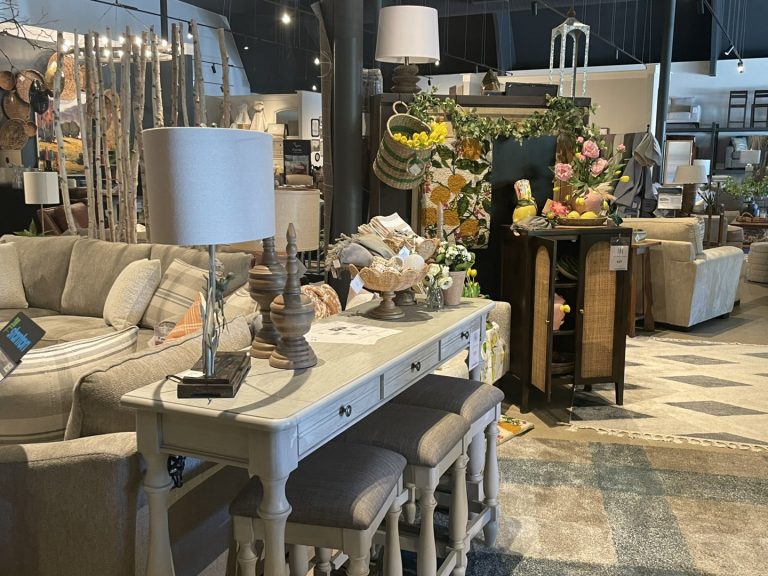
For decades, home furnishings retail has relied on a familiar merchandising formula: create a beautiful room, put the furniture in it, add a few accessories, and allow customers to recreate the look at home. That formula still works, but today’s consumer is increasingly looking for something different. Rather than purchasing

Most retailers understand the fundamentals of visual merchandising. They know how to build a vignette, create a focal point, and maintain aesthetic consistency. These skills are well established in the industry. Yet merchandising is evolving, and the most effective strategies today rely on more than creative execution. They are powered

Elevate customer experience and boost sales with strategic remerchandising techniques Remerchandising your sales floor after market isn’t just about rearranging furniture—it’s a powerful strategy to drive higher sales and refresh your store’s appeal. By rethinking layout, product mix, and visual flow, home furnishings retailers can create an immersive shopping experience

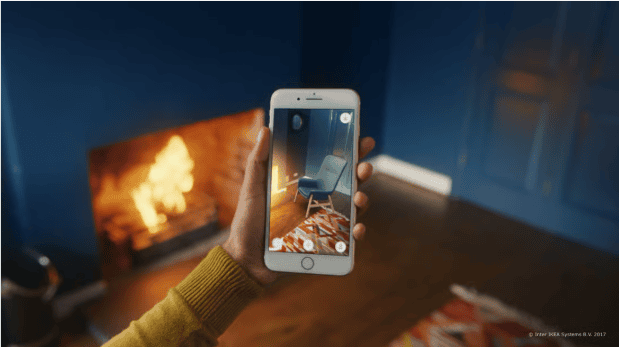
Visual merchandising has evolved significantly from traditional window displays and static store layouts. What used to rely solely on creativity and aesthetics has now evolved into a seamless blend of art, science, and technology. In today’s retail landscape, technology doesn’t just support visual merchandising — it defines it. From immersive

In a business where visual storytelling is everything, furniture retailers and manufacturers are increasingly turning to AI image generation to improve how they work and sell. While AI has made headlines for writing content or automating customer support, its most transformative impact in the home furnishings space may be in

Consumers have an abundance of choice when it comes to e-commerce. Countless brands and retailers vie for consumer attention and share of wallet. So what are the deciding factors that turn shoppers into customers? Last year, Nfinite confirmed in a proprietary data report that product imagery is high on the

In the highly competitive furniture retail world, capturing customers’ attention and interest is crucial for success. Creating an exceptional customer experience is a top priority for store owners and managers. While product quality and pricing undoubtedly play important roles, the significance of effective merchandising and store design cannot be overstated.

Engaging visuals are critical for your e-commerce site. They help increase time on the page, engagement with product pages, add-to-cart rates, and, ultimately, conversion rates. But getting shoppers to your site is half the battle. Whether you are using organic social media posts, paid social media campaigns, email sequences, display
You might also like

How to spot consultative salespeople who listen, build trust, and follow through — before they ever set foot on your

Walk into any home furnishings showroom, and you can sense how radically the customer journey has shifted. Today’s shoppers no

When Furniture Stops Moving, It’s Time to Rethink Your Floor Tariffs are driving costs up. The pandemic redecorating rush is

How to structure rewards that align with measurable outcomes — from sales to delivery accuracy to customer satisfaction. When you’re

National Furniture Safety Week is coming up October 5–10, 2026, and HFA members are invited to participate. HFA has joined
More From The HFA

New research from Elevate puts the Gen X woman at the center of the furniture story. Surveying 1,210 Gen X shoppers at every stage of

Men and women often bring different priorities to their jobs, and the companies that understand those differences build stronger teams, deeper loyalty, and better business