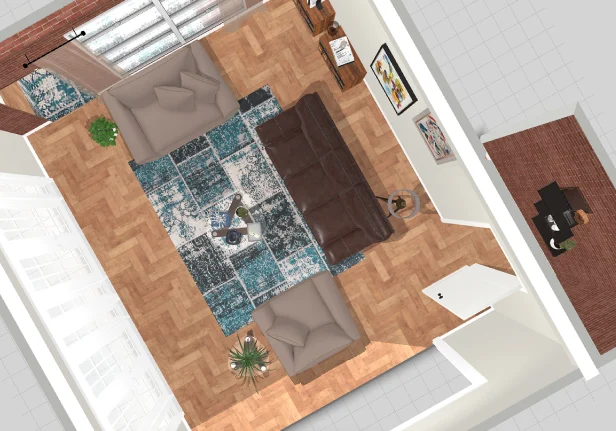

3D Technology

Retail furniture buying in the United States is undergoing seismic shifts, marked by new technologies, evolving consumer expectations, and changes accelerated by recent global events. The ” What Shoppers Want: U.S. Insights on Furniture & the Future of Retail” presentation in the HFA Retailer Resource Center at the High Point

Furniture is deeply personal. Every day, we meet customers who are excited about finding the right piece, yet also understandably nervous. A shopper discovers a sectional they love, tests the comfort, scrolls through images online, and then pauses with the same questions we hear again and again: Will this really

If you’re in furniture retail or manufacturing, chances are you’re sitting on an incredibly valuable marketing asset — and don’t even know it. I’m talking about 3D product data. These are the CAD files, renderings, and digital models that most manufacturers create during product development — not for marketing, but

At a time when economic uncertainty holds consumers back from spending, it’s crucial to offer a shopping experience that drives sales, raises cart size, and builds trust. Today’s buyer is more informed than ever and quick to move on from anything that doesn’t meet expectations. Here are three eCommerce tools

Data was supposed to make decisions easier. So why do your dashboards seem to show you more ways to stay confused? If you’re a furniture retailer, you’re likely swimming in data—web traffic reports, CRM systems, sales figures, customer feedback, etc. Yet, instead of providing clarity, too much data leads to

Shaving cost per asset while maximizing revenue is a top priority for home furnishings retailers today. To help achieve this, 3D content creation can be a game‑changer, enhancing virtually every stage of your product program to drive stronger bottom‑line results. Here’s why: 1. Dramatically Reduce Cost Per Asset Traditional photography—studio

Home is where the heart is—and it’s as unique as the people who live in it. From functional minimalism to bold design statements, interior design, home décor, and organization reflect personal tastes and lifestyles, driving growth in these sectors globally and in the US. North America alone accounts for $60

According to a 2024 survey, 86% of consumers start their research online. This statistic highlights the importance of providing furniture companies with a seamless and engaging digital experience. Shoppers today expect more than just attractive furniture—they want inspiration, customization, and convenience throughout their buying journey. Meeting these expectations isn’t without
You might also like

A furniture eCommerce website needs to do more than display products. It should communicate scale, material, and quality without the

Most conversations about the future of eCommerce focus on the surface—better website design, faster checkout, and smoother user experiences. While

Every checkout tells a story, and not all of them end in a sale. For many eCommerce brands, a lack

Connecting POS, inventory, and ecommerce has become essential for furniture retailers. It directly impacts how a business runs day to

It’s been a busy week on the tariff front, and this is HFA’s third advocacy update for home furnishings retailers
More From The HFA

AI & Retail Transformation: Your Roadmap to Smart Adoption The technology landscape for home furnishings retailers is evolving fast. For furniture retailers, simply adopting

AI is no longer just powering search bars and chatbots. New agentic AI experiences are changing how shoppers discover, evaluate, and buy products online. For

MEMBER-ONLY DISCUSSION: Technology Connect with fellow HFA member retailers to exchange insights, challenges, and successes in using technology and AI