

Customer Experience

As consumers become more tech-savvy, they are opting to shop for furniture online. Sometimes, this is done to decide if they want to visit the physical store. However, selling furniture online comes with unique challenges. To succeed in this competitive market, furniture retailers must leverage best practices that enhance customer

Online shopping is far from perfect. Customers frequently encounter frustrations that can lead to abandoned carts, negative experiences, and lost business for retailers. Understanding and addressing these pain points effectively is crucial for businesses aiming to stay competitive. Here, we explore consumers’ three key eCommerce frustrations when shopping online and

Home is where the heart is—and it’s as unique as the people who live in it. From functional minimalism to bold design statements, interior design, home décor, and organization reflect personal tastes and lifestyles, driving growth in these sectors globally and in the US. North America alone accounts for $60

eCommerce success hinges on more than just having an online storefront—it requires a seamless, scalable, and customer-centric platform. The shift to advanced eCommerce platforms is not just a trend; it’s a necessity for businesses aiming to meet evolving consumer expectations. We will explore how platform optimization transforms the customer experience,

Customer expectations are higher than ever. Equipping a sales team with tools to elevate customer satisfaction is not only a good idea – it’s essential. Leveraging technology like a sales support app is a simple and powerful way to enhance efficiency and accuracy while improving the overall customer experience, which

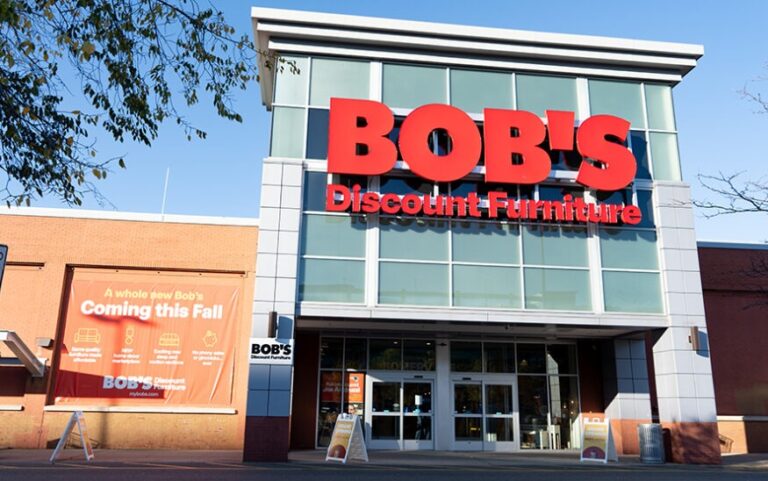
Top 100 retailer and HFA Member Bob’s Discount Furniture has set a new benchmark with its innovative flagship store in Somerville, Massachusetts. This 38,000-square-foot location isn’t just a store—it’s a furniture shopping experience. With its forward-thinking design, unique customer engagement strategies, and commitment to community, Bob’s has reimagined what furniture

According to a 2024 survey, 86% of consumers start their research online. This statistic highlights the importance of providing furniture companies with a seamless and engaging digital experience. Shoppers today expect more than just attractive furniture—they want inspiration, customization, and convenience throughout their buying journey. Meeting these expectations isn’t without

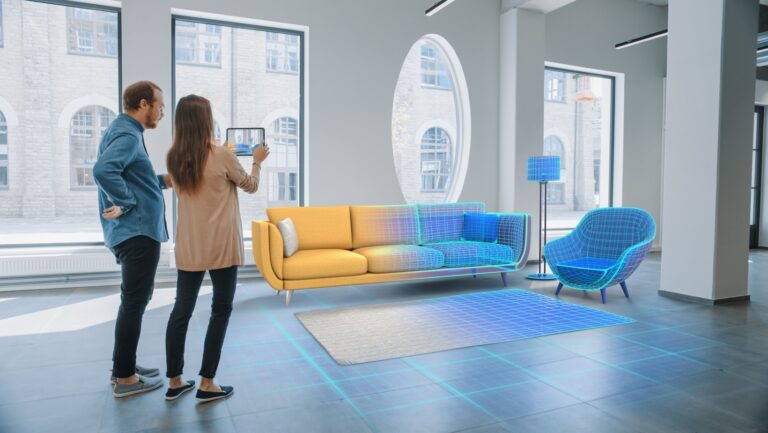
We’ve worked with many top 100 furniture retailers, and while each has its own approach, they all share a common goal: creating a memorable customer experience that drives sales. Balancing this with cost control can be challenging, and introducing new tech—especially 3D—can feel daunting. However, when creating a winning game
Today, customer expectations are higher than ever in eCommerce shopping. While online shoppers appreciate seamless website navigation, competitive pricing, and diverse product selections, their ultimate satisfaction often hinges on a less visible but critical aspect: final mile delivery. This last leg of the delivery process, where products journey from a
You might also like

Earlier today, the U.S. Supreme Court ruled (6–3) that the International Emergency Economic Powers Act (IEEPA) does not grant the

How Strong Leadership Drives Performance, Culture, and Consistency Traffic patterns fluctuate, customer expectations continue to evolve, and competition remains strong
The trade and tariff landscape remains fluid, with several developments—and non-developments worth monitoring. While there haven’t been many substantial changes

Winning the hearts and loyalty of customers takes more than just offering attractive products or competitive pricing. It demands a

HFA Announces the 2026 Pillar Award Winners The Home Furnishings Association (HFA) is proud to announce the recipients of the
More From The HFA

Join Peter Theran and Steve Fodor, LCB, MCS, Founder and CEO of Customs Services & Solutions, for a practical discussion on IEEPA tariffs, refund developments,

Chasing volume is no longer enough in retail today. Sustainable profitability comes from disciplined, high-impact decisions about assortment, floor space, inventory, and capital allocation.