
Visual merchandising has evolved significantly from traditional window displays and static store layouts. What used to rely solely on creativity and aesthetics has now evolved into a seamless blend of art, science, and technology.
In today’s retail landscape, technology doesn’t just support visual merchandising — it defines it. From immersive digital displays to interactive 3D visuals, retailers are now crafting environments that engage all senses, whether in-store or online. This shift marks the rise of tech-driven visual merchandising, where creativity meets data and innovation shapes every customer interaction.
The Shift from Static Displays to Dynamic Experiences
Shoppers today don’t merely want to look at products — they want to interact with them. Gone are the days of traditional window installations and basic online product images. Today, customers expect digital experiences that cater to their needs, tastes, and interests.
Contemporary visual merchandising isn’t merely about making something attractive anymore — it’s about making something interactive, customized, and immersive. Let’s dive into how that’s occurring. According to studies, over 60% of customers report that they would like brands to provide AR experiences. Additionally, items with 3D/AR content can track conversion rates up to 94% higher than products without these experiences. It’s not just a novelty — it eliminates returns, boosts confidence, and converts occasional browsers into repeat customers.
● Virtual Room Visualization
The biggest leap in furniture and décor merchandising comes from AR and 3D-powered room visualization tools. Instead of static images, customers can now virtually place furniture in their own rooms — checking for scale, style, and fit before purchase.
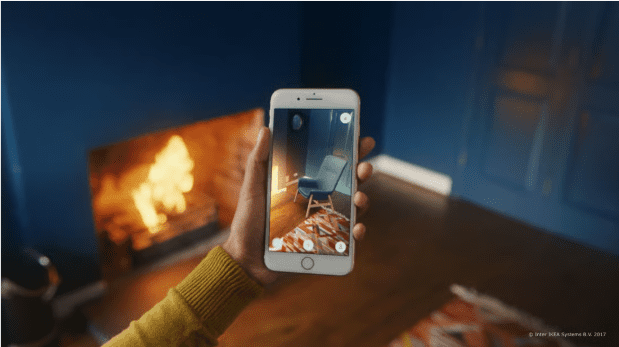
For example, IKEA’s “Place” AR app allows users to place virtual furniture pieces in their real spaces, enabling 3D inspection of scale, material, lighting, and fit.
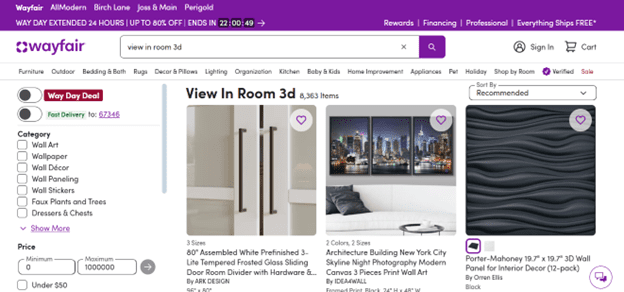
Similarly, Wayfair’s “View in Room 3D” feature lets users visualize over 18 million products at scale within their homes.
These innovations don’t just make the experience more fun — they build confidence, reduce return rates, and create emotional connections with products long before purchase.
● 3D Product Spins
One of the strongest innovations in eCommerce is moving from fixed product images to 360° 3D product spins. Instead of flipping through a gallery, customers can rotate, zoom, and inspect every angle of a product as if it were right in front of them.
For example, Ashley Furniture’s 360° product viewer allows shoppers to interact with sofas, recliners, and tables in real-time, bridging the gap between digital and in-store experiences. Similarly, La-Z-Boy’s 3D product views enable customers to evaluate texture, color, and proportions in a tactile manner — without ever visiting a showroom.
This subtle visual shift makes a significant difference, providing customers with the sense of touch and assurance that traditional online photos can’t deliver.
● Interactive Configurators
Today’s shoppers expect personalization. They don’t just want a sofa — they want their sofa, in the color, size, and finish that fits their exact taste.
Interactive 3D configurators make that possible. Shoppers can mix and match materials, change finishes, and instantly visualize each variation.
For instance, Joybird allows users to customize sofas and chairs by changing the upholstery and legs in a live 3D preview. Interior Define takes it a step further by offering complete 3D configurators for made-to-order furniture — customers can modify every dimension and watch the design update in real-time. For brands, configurators mean fewer returns, better engagement, and a faster path to purchase.
Technologies Powering Modern Visual Merchandising
Behind these compelling experiences are robust technologies that enable brands to plan, visualize, and customize every aspect of their customer experience.
● 3D Visualization
3D visualization forms the backbone of present-day digital merchandising. Through photorealistic 3D renders, brands can present every conceivable version of a product — color, material, texture, and configuration — without ever conducting a photoshoot.
It’s quicker, more agile, and endlessly scalable. Brands like Pottery Barn and West Elm use 3D visualization to create hundreds of lifestyle images for online catalogs. Platforms like imagine.io make this process even more seamless, enabling marketing teams to produce photorealistic renders, create 360° visuals, and design fully interactive configurators within minutes.
● Augmented & Virtual Reality (AR/VR)
AR and VR are revolutionizing the home furnishing experience — both online and in-store.
Lowe’s leverages AR through its “View in Your Space” feature, which allows customers to preview how flooring, lighting, or furniture pieces fit into their homes. Meanwhile, IKEA’s Room Planner and IKEA Kreativ enable users to scan their rooms, digitally remove existing furniture, and place new products virtually for complete design visualization.
Virtual showrooms are also on the rise. Herman Miller and Crate & Barrel have experimented with VR-enabled virtual stores, providing customers with an immersive, walkable 3D experience of their entire collections. These technologies eliminate guesswork, enhance confidence, and make shopping for large home items both enjoyable and interactive.
● AI-Powered Layout Design
Artificial Intelligence is adding a new layer of intelligence to merchandising. AI can now analyze store traffic patterns, product performance, and customer behavior to optimize both digital and physical layouts.
Wayfair’s AI-driven visual recommendation engine suggests furniture combinations and décor items that match a user’s browsing patterns.
In physical retail, brands such as Lowe’s and Ashley Furniture are utilizing AI insights to enhance store layouts, ensuring that high-traffic products are displayed in optimal positions.
For eCommerce, AI algorithms can even auto-generate visual sets and scenes that resonate with customer data, helping merchandisers design smarter, faster, and with measurable precision.
● Data-Driven Insights
Creativity and analysis go hand in hand in contemporary merchandising. Now, retailers apply consumer behavioral data to know what is working — monitoring metrics such as:
- How long consumers interact with an interactive display
- Which product images perform best
- What colors or patterns generate the most clicks or interest
This evidence-based feedback loop enables teams to continually hone visual strategies. Brands can no longer rely solely on intuition; instead, they design on the basis of evidence — and refine their aesthetic appeal and conversion rates over time.
Real-World Examples: Retailers Leading with Tech
The world’s most successful retail brands aren’t just following tech trends — they’re setting them. By blending creativity with cutting-edge visualization tools, these innovators are redefining what it means to shop, both online and in-store.
● Chairish: AR-Powered Vintage Décor Visualization
Chairish, an online marketplace for high-end and vintage furniture, uses AR technology to help shoppers visualize how unique décor pieces will look in their actual spaces. Through its mobile app, customers can virtually “place” items like sofas or chandeliers, making it easier to gauge scale, fit, and style before purchase — reducing uncertainty and improving buying confidence.
● Ashley Furniture: Virtual Home Makeovers with AR
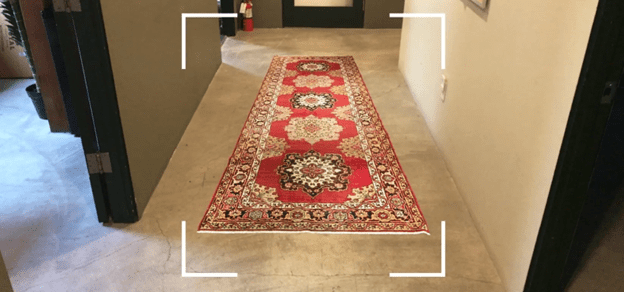
Ashley Furniture has transformed its shopping experience with an AR-powered mobile app that allows customers to drop 3D furniture models directly into their homes. Shoppers can experiment with layouts, materials, and colors in real time — turning inspiration into instant visualization. This hands-on experience bridges the gap between online and in-store browsing.
● La-Z-Boy: 3D Customization for Personalized Comfort
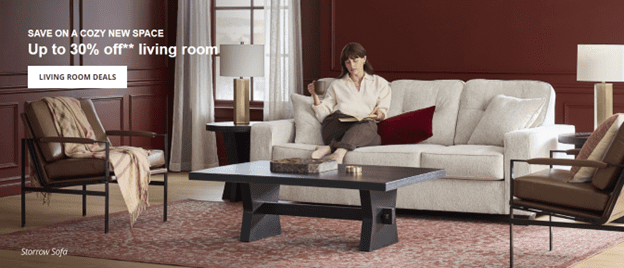
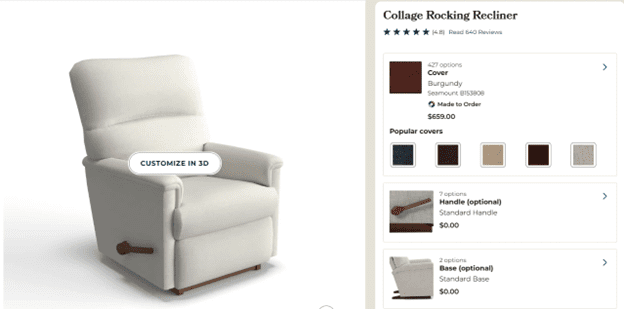
La-Z-Boy, one of America’s most recognized furniture brands, has embraced 3D visualization and product configurators to help shoppers personalize their furniture. Through its “Design Your Own” feature, customers can choose from hundreds of fabric options, colors, and finishes while instantly previewing their customized sofa or recliner in photorealistic 3D. This interactive experience not only simplifies decision-making but also enhances customer confidence — bridging the gap between in-store consultations and digital exploration.
These innovations prove that technology doesn’t just enhance the shopping experience — it personalizes it. And the best part? You don’t have to be a global brand to start. Platforms like imagine.io make advanced visualization tools accessible to any business. Whether you’re a growing furniture brand or a boutique home décor label, you can create high-quality 3D visuals, product spins, and interactive configurators that rival enterprise-level production — all without a massive budget.
How Visual Tech Enhances the Customer Experience
Combining visual merchandising with digital technology doesn’t just bring the store up to date; it alters consumers’ experiences, interactions, and purchasing decisions. From the moment customers become aware of a product to making their final purchasing decision, visual technology communicates levels of confidence, connection, and simplicity.
● Deeper Engagement Through Interactivity
Interactive pictures, such as 360° spins, AR try-ons, and 3D room planners, invite consumers to interact with products more deeply. Instead of just passively scrolling through images, consumers are active participants — zooming in on details, defining finishes, and observing how they live with products. Such do-it-yourself interaction translates into longer browsing time and purchase intent.
● Building Confidence with Realistic Visualization
When consumers get to view realistic 3D or AR product simulations, confusion vanishes. They can visualize exactly where a sofa will go in their living room or how a lamp will complement their decor — removing uncertainty and reducing returns. Such precision fills the gap between browsing online and real expectations.
● Maintaining Brand Consistency Across Channels
Technology helps a brand’s visual story remain consistent across every touchpoint — from in-store displays to mobile apps and online catalogs. Dynamic visual asset management systems enable easy updates, reuse, and coordination of visuals across campaigns, ensuring customers consistently receive a unified brand appearance.
● Enhancing Convenience and Decision Speed
In an era of fleeting attention spans, speed matters. Technologies like product configurators and instant visualizers enable quicker customer decision-making — eliminating the need for delayed waiting on physical samples or hand-drafted mockups. By rationalizing clunky buying procedures, visual tech accelerates the path to purchase and boosts conversion rates.
Done correctly, visual technology transforms a transactional process into an emotional experience — one of inspiration, trust, and joy — driving every decision.
The Future of Visual Merchandising
The future of retail is smarter, more adaptive, and powered by AI. We’re transitioning from static displays to predictive and personalized environments that evolve in real-time based on data and customer behavior.
● Generative AI in Visual Design
AI-powered design software will be capable of creating adaptive imagery and shelf layouts in real-time — delivering distinctive shopping experiences to each shopper segment. Picture an AI that automatically reorganizes fixtures based on best-selling merchandise, time of year, or even regional tastes — no human intervention necessary.
● Omnichannel Merchandising
Retail tomorrow will not separate “online” and “offline.” Rather, it will blend both into an invisible fusion. Imagine a shopper exploring online, bookmarking a bookmarkable 3D model of a product, and then seeing it in front of them through an AR-enabled in-store display — each touchpoint tying together in one visual language.
● Predictive Retail Environments
Physical environments are becoming intelligent. AI and IoT will soon enable stores to respond in real-time — adjusting lighting, screen content, or promoted displays based on demographic audience, time of day, or even weather conditions. The outcome? Extremely personalized environments that react to shoppers naturally.
Blending Creativity with Technology
Technology has redefined visual merchandising from a static display practice into a dynamic, data-driven discipline. Today, it’s not just about arranging products — it’s about crafting immersive, intelligent, and interactive experiences that resonate across every channel.
By integrating 3D visualization, AR tools, and AI-driven automation, brands can design adaptable merchandising strategies that respond to customer behavior in real time. This fusion of creativity and technology enables faster decision-making, personalized engagement, and consistent brand storytelling — both online and in-store.
As visual technologies continue to evolve, the most successful brands will be those that view innovation not as a trend, but as a foundation for more meaningful and measurable shopping experiences.