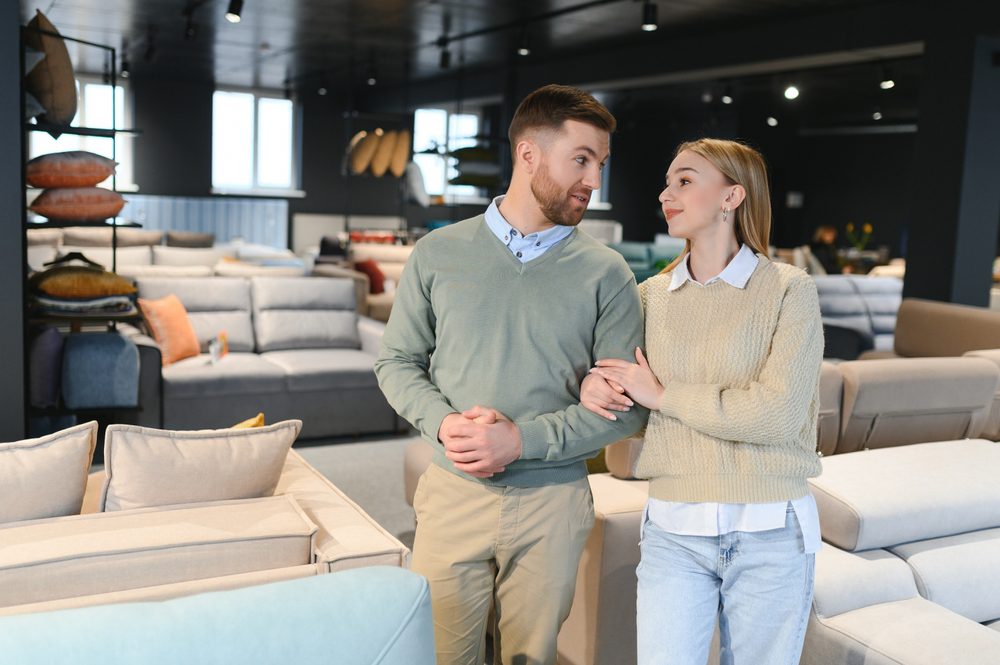
Winning the hearts and loyalty of customers takes more than just offering attractive products or competitive pricing. It demands a nuanced understanding of your customer: how they think, feel, act, and what truly drives their decisions along the shopping journey. Pete Theron, HFA CEO, led a candid and data-driven discussion with marketing experts Nicole Bergan, Founder & Chief Marketing Officer, and Jennifer Johns, Vice President, of Elevate Marketing Research about how retailers can transform frustration into confidence and joy for today’s furniture shoppers.
Drawing on findings from an in-depth consumer study that maps the modern buyer’s journey, the panel delved into the emotional undercurrents that drive friction points, examined marketing missteps, and offered actionable strategies for retailers eager to align with their customer base’s evolving expectations.
The “Joy Gap”: Why Furniture Shopping Isn’t Fun Anymore
Furniture shopping, once a delightful milestone, has increasingly become a source of stress for consumers. This is the “joy gap” Bergan refers to as a stark divide between how consumers used to feel about furnishing their homes and how overwhelmed they feel now.
Furniture shopping was once a source of excitement and anticipation; now, for most consumers, it feels more like an ordeal. Data shows that approximately 80% of furniture shoppers feel relief, not joy or excitement, once their purchase is complete, especially for in-store shoppers. This overwhelming sense of relief, rather than satisfaction, flags serious stressors embedded in today’s shopping journey.
In-Store Friction: Aggressive Sales Tactics and Lost Trust
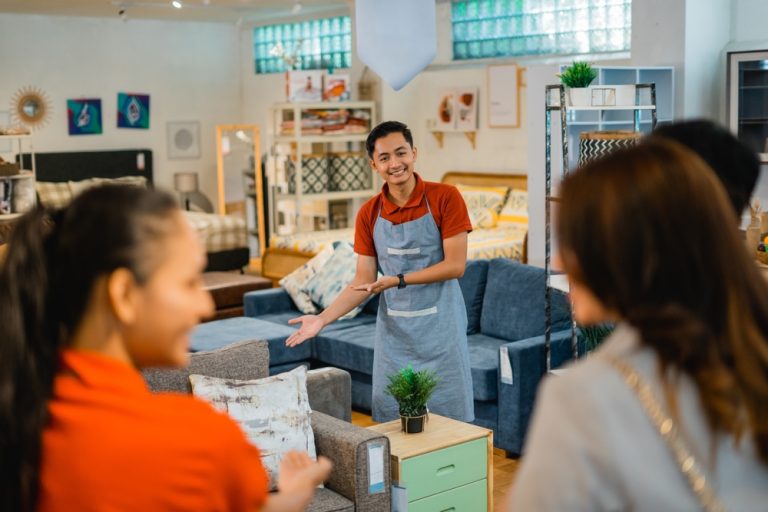
A key source of frustration in brick-and-mortar furniture shopping is the commission-based sales structure. Many customers report discomfort with aggressive, high-pressure tactics, feeling like the sales process is more about the salesperson’s paycheck than the customer’s needs. While the commission itself isn’t inherently problematic, the resulting behaviors, hovering, rushing, and upselling, are a genuine turn-off for modern consumers.
Furniture shoppers, particularly Gen Xers (ages 45-55), are seeking autonomy and the ability to self-guide their shopping experience. They want to explore at their own pace, interact with skilled and knowledgeable staff only when necessary, and feel empowered rather than pressured.
For example, retailers have seen success by offering self-guided shopping experiences, reworking store layouts, enhancing signage, and creating clear paths for different personalities. These approaches allow for both guided and independent exploration, especially appealing to generations with high disposable income and strong opinions about home aesthetics.
Training vs. Commission: The True Cause of Bad Experiences
It’s not just about how salespeople are paid but about how they interact. Many stores fall into the trap of transactional, impersonal service. Customers recount experiences where sales staff hovered without being able to answer essential product questions, like about materials, warranties, or use-cases, further fueling discomfort and suspicion.
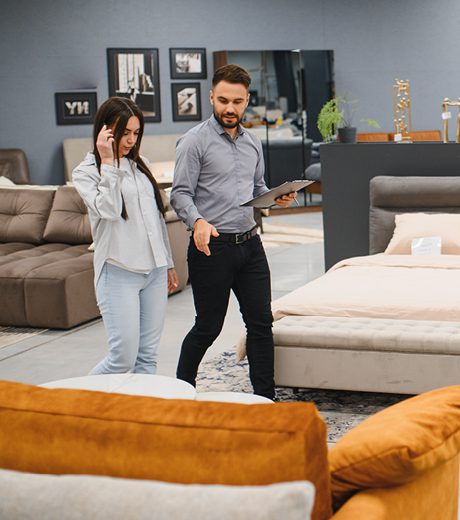
For example, the best-in-class sales teams focus on consultative selling, striving to uncover the emotions and needs underlying a shopper’s purchase. Instead of “Are you looking for a wood or glass table?” a more effective question becomes, “How do you use your kitchen table? Are you hosting dinners, managing homework, or crafting?” This approach invites conversation, builds trust, and positions the salesperson as a partner rather than a pushy closer.
The Era of “Too Much”: Marketing Overload in Retail
If the in-store journey is fraught with discomfort, the online experience is burdened by marketing overkill. Consumers today face a barrage of ad messaging—over a thousand messages per day across multiple screens. Ironically, in their zeal to stand out, brands are blending into the noise.
Marketing research reveals a troubling trend: more than two-thirds of retailer ads fall into what the researchers call “white noise”, bland, indistinct, and easily forgotten. Why? Ads are overloaded with “hooks” (sale, financing, delivery, guarantees) packed into 15-second blocks. Rather than focusing and clarifying, brands try to say everything at once and end up saying nothing memorable.
The Solution: Slow Down and Focus
Best practices point towards slowing down. Rather than cramming every possible value proposition into every channel, successful retailers segment their message, highlighting promotions where appropriate while ensuring key differentiators (like premium delivery, expert advice, or local flair) are featured in the right context. Limiting each message to two strong hooks or themes and personalizing content for each platform creates clarity.
For example, instead of running a promotionally driven ad across TV, social, email, and outdoor all at once, savvy marketers stagger their storytelling, using social to highlight in-home delivery, while saving price messaging for digital banners and in-store signage. This strategy fosters recognition and trust, drawing the shopper deeper into the funnel.
Creative Investment: Standing Out in a Sea of Sameness
Furniture retail is notorious for lookalike advertising: big promos, same visuals, and identical value propositions. Breaking out of this rut requires meaningful investment in creativity. Leading brands earmark at least 10–15% of their ad budget for creative development, ensuring they can produce compelling, differentiated campaigns for key moments (like Black Friday) or themed events (Patriotic holidays grouped for cost-saving).
For example, grouping similar sales events under a single creative concept enables cohesion and cost savings, while reserving creative firepower for pivotal seasons.
Beyond Promotions: Messaging That Moves
While “big sales” still drive action around tentpole retail events, consumers, especially the largest shopper Persona, the Value-Driven Skeptics (about 40% of all shoppers), are looking for more than a price tag. Their path is slower and more deliberate, involving deeper research, online reviews, store visits, and comparisons before committing.
For example, these shoppers respond to trust signals like white-glove delivery, post-sale assurance, and clear, consultative advice from real experts. Over-reliance on hard-selling promotions alienates them. Instead, brands that nurture confidence, offer solution-oriented messaging, and provide a seamless post-purchase experience capture these coveted, high-potential buyers.
Influencers and Social Proof: The New Word of Mouth
Furniture buyers are redefining what it means to be “influenced.” Gone are the days when only celebrities could sway preferences; today, the role is held by a mix of digital reviews, micro-influencers, local experts, and actual customer voices. Half of all American furniture buyers say social media directly impacts their decisions, with credible, practical content (like budget-friendly decorating or before-and-after transformations) leading the way.
Micro-Influencer Power vs. Celebrity Glamor
Big-budget partnerships with celebrities rarely deliver ROI in this category. Instead, local designers, everyday homeowners, and even enthusiastic customers create content that resonates. User Generated Content (UGC) became the new top-of-funnel strategy: authentic, relatable, and tailored to local tastes.
For example, retailers like West Elm use hashtags (e.g., #MyWestElm) to collect customer-submitted photos of products in real homes, displayed directly on product pages to provide real-life validation. Research shows 57% of buyers trust these image-based reviews more than advice from store associates.
Becoming the Influencer
Smart retailers aren’t just leveraging influencers—they’re becoming influencers themselves. By providing design inspiration, instructional content, and behind-the-scenes stories of their experts, brands inspire and educate, building powerful communities that drive traffic and sales far more subtly than traditional ads.
Online Versus In-Store: Where the Friction Burns Brightest
Both the digital and physical channels deliver unique sources of friction.
Online Friction– Shoppers are frustrated when websites lack detailed product information, reviews, or images. The inability to touch and feel the furniture is the top barrier. Modern solutions include live chat, AI-powered virtual assistants, and comprehensive review galleries featuring real customer photos, tools that help convert digital browsers into buyers.
In-Store Friction– Conversely, in-store shoppers balk at aggressive sales staff and a lack of autonomy. The good news for brick-and-mortar? 76% of Americans still prefer seeing furniture in person. The challenge is inviting them in with the right tone, welcoming, consultative, prepared staff; self-guided exploration; and attentive, post-sale service.
Segmenting for Growth: Mapping the Consumer Personas
Not all shoppers represent equal opportunity. Consumer insights studies segment buyers into Personas to uncover what different groups expect and value.
The Largest Segment: Value-Driven Skeptics
The biggest growth opportunity lies with the Value-Driven Skeptics, a group that is younger, research-intensive, slow to trust, and highly comparison-oriented. They require more than just promotions. They’re motivated by expertise, transparency, and a smooth, confidence-building journey.
Luxury Shoppers: Speed and Guidance
Another segment, comprising high-income, time-poor luxury buyers, seeks efficient, expert guidance and decision-making support. They desire consultative service and are less likely to conduct exhaustive research but expect a premium, effortless experience.
Deal Hunters: Speed Over Substance
Conversely, Deal Hunters, often younger and lower-income, prioritize convenience above all else. They opt for quick online purchases with little attachment to lasting quality or the in-store experience.
Key Lesson with Personas
Successful retailers tailor their store experiences and marketing tactics to their dominant Persona, ensuring resonance, loyalty, and maximized ROI.
Building Differentiation: Assurance, Expertise, and Local Flavor
How can brands break through the noise and product sameness? The answer lies in storytelling focused on post-sale assurance, demonstrable expertise, and authentic local engagement.
Giving Assurance: Brands that overcommunicate what happens after the sale will guarantee proactive resolution of delivery issues, extended warranties, and a clear “we’ve got your back” message. For example, sales staff positioned as sleep experts who can “diagnose” customer needs can create memorable and reassuring experiences.
Expertise: Humanizing your brand is a powerful force. Sharing stories about real employees, longevity, pride, and expertise builds trust. Customers reason that “a retailer that treats its staff well will treat me well, too.”
Local Flavor: Regional retailers have distinct advantages over national giants. Encouraging staff authenticity, like wearing local sports jerseys during big games, community charity events, and supporting meaningful local causes, positions the store as a neighbor, not just a supplier, and also amplifies connection and differentiation.
Consistency and the Omnichannel “Thread”
For all the innovation in messaging and platforms, one principle endures: consistency. Leading furniture retailers approach marketing as a holistic journey, connecting the dots from outdoor ads to Instagram posts to in-store collateral. Research suggests consumers need at least 21 meaningful touches before making a purchase. So each of these messages should reinforce the brand’s core message and build toward conversion.
A practical budgeting guideline: allocate roughly a third of your marketing spend each to top-of-funnel awareness (billboards, TV, influencer social), mid-funnel education (email, retargeting), and bottom-funnel capture (PPC, direct response). Fluidity and optimization are key; brands must regularly review data and shift investments as consumer behavior evolves.
The Mindset for Modern Success: Experiment, Measure, Adapt
The single most powerful shift for today’s furniture retailer is developing a fast, adaptive, data-driven mindset. Success doesn’t come from clinging to familiar strategies; what worked yesterday is often obsolete tomorrow. The best brands:
- Test new approaches—like micro-influencers or UGC campaigns, without overcommitting budget.
- Analyze results quickly and honestly.
- Optimize or pivot to maximize ROI.
- Check assumptions about who their customer is at least annually, letting data, not gut feeling, drive decisions.
Restoring Confidence and Joy
Furniture retail has reached a turning point: the brands that thoughtfully remove friction, create welcoming and consultative environments, and curate a consistent, inspiring presence across platforms will win the future. Only by marrying research-backed insights with on-the-ground innovation can retailers rediscover what their customers have lost: the joy of shopping and the confidence that they’ve made the right choice.
Now is the moment to bring the fun back—one customer, one experience, and one data-driven decision at a time.